
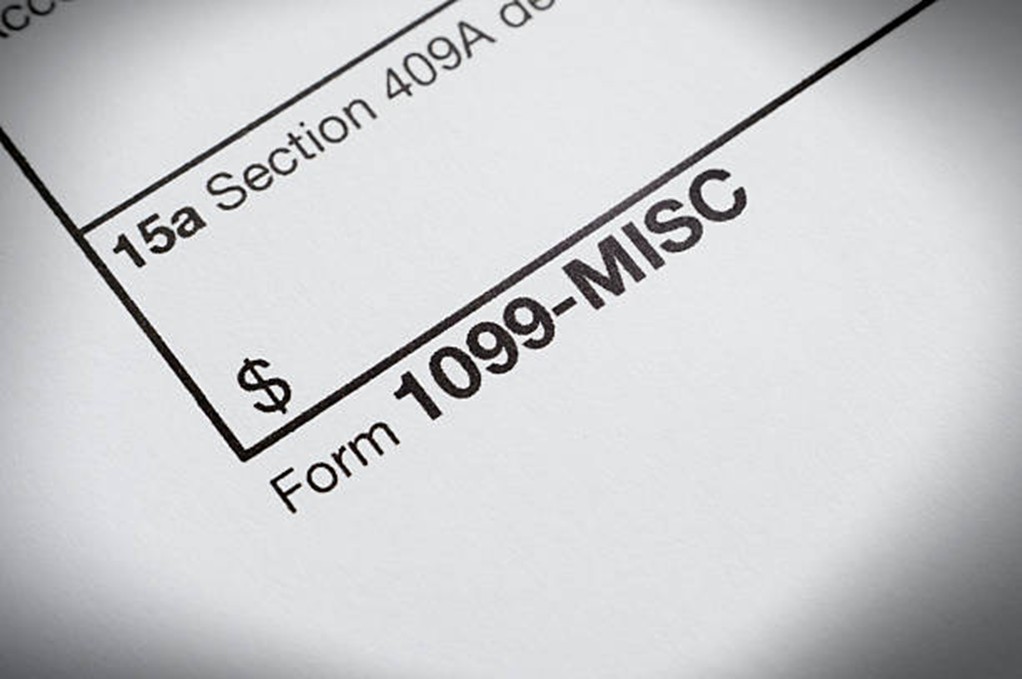
The Internal Revenue Service has finalized significant updates to 1099 information reporting requirements that will take effect for payments made in calendar year 2026 – meaning these changes will apply when filings are made in early 2027. These adjustments come as part of the One Big Beautiful Bill Act passed by Congress in 2025 and are expected to ease administrative burden for many small businesses.
Key Takeaways
- 1099-K threshold reverts to $20,000 and 200 transactions.
- The reporting thresholds for 1099-MISC and 1099-NEC increase from $600 to $2,000.
- Beginning in 2027, the 1099-MISC and 1099-NEC thresholds will be adjusted annually for inflation.
What’s Changing for 2026 Reporting
Here’s what business owners need to know:
1099-K Threshold Reverts to Original Thresholds
- The reporting threshold used by third-party settlement organizations (TPSOs) such as PayPal, Venmo, and similar platforms, and for online marketplaces such as Etsy and eBay, has been restored to its original standard of more than $20,000 in gross payments and over 200 transactions per year.
1099-MISC and 1099-NEC Reporting Thresholds
- The reporting threshold for Form 1099-NEC (Nonemployee Compensation) and Form 1099-MISC (Miscellaneous Information) has increased from $600 to $2,000.
- This means businesses generally only need to issue these forms if total payments to an independent contractor or vendor reach $2,000 or more in the calendar year.
- Beginning in 2027, the $2,000 threshold will be adjusted annually for inflation.
Other Notes & Exceptions
- Certain payments, such as royalties, continue to have unique reporting thresholds (for example, reporting is required for royalties of $10 or more).
- Payments made via credit card or other payment card networks are reported separately by the card processors and are not included in the NEC/MISC threshold totals.
Why It Matters for Businesses
These changes are designed to reduce the number of small, low-dollar information returns that businesses must prepare and issue at year-end, easing administrative work for many organizations, especially those that historically issued numerous 1099s below the new threshold.
That said, income remains taxable regardless of whether a 1099 form is issued. Business owners should continue accurate record-keeping and tax reporting, even if a form is not generated.